Aug 17, 2026
Work Life
Celebrating Our First Emerging Leaders Program Graduates
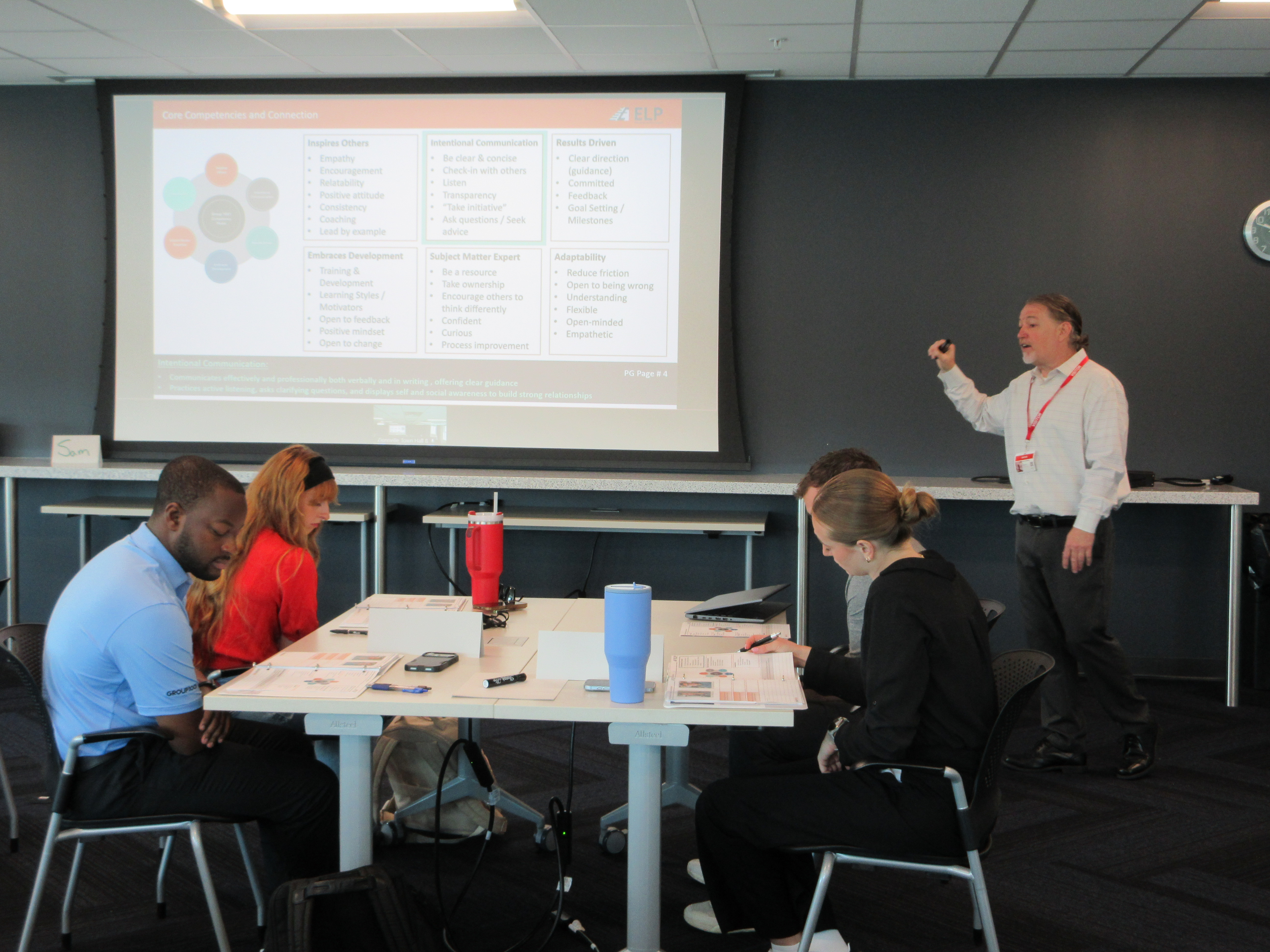
At Group 1001, employees are our number one asset. That's why we're proud to celebrate a milestone in our leadership development practices: 36 team members recently graduated from our inaugural Emerging Leaders Program (ELP) – a three-month course designed to equip high-potential talent with the skills and tools to lead the future of our organization.
Building a Strong Talent Pipeline at Group 1001
As we continue to grow, developing leaders from within is a strategic priority. The ELP course is a key component of that strategy. The ELP prepares the next generation of leaders who can adapt to the evolving needs of our business, champion our culture, and help drive long-term success across our companies.
“Watching this first cohort step into their potential has been one of the most rewarding parts of building this program – these are the future leaders of our company,” said Vice President of Talent Management Josh White. “Their dedication and commitment to excellence are exactly what will carry Group 1001 forward.”
A Three-Stage Leadership Development Journey
The program is built around three key stages – foundation, cultivate, and emerge – each designed to build on the last.
Foundation is where the course begins. Participants learn their strengths, reflect on their career aspirations, define their personal values, and discover their “why.”
Cultivate shifts the focus to action. This stage introduces the habits and skills that transform contributors into impact players.
Emerge brings the program full circle with a focus on connection, communication, and personal branding.
ELP graduate Tristan Suel, Supervisor, Gainbridge Member Experience, shared: “I couldn't have asked for a better experience with the ELP. It gave me the space to identify both my strengths and areas for growth, while feeling genuinely supported throughout the course. I started applying what I learned from the beginning and have enjoyed doing so daily ever since. My favorite part was connecting and learning from other emerging leaders within Group 1001.”
2026 ELP Cohort
Congratulations to our 2026 ELP cohort!
Zionsville cohort:
Stephen Anderson, Senior Manager, Sponsorships
Kaylynn Cline, Social Media Content Creator
Jared Cummings, Director, Financial Planning and Analysis
Amber Deford, Customer Service Coordinator II
Rylee Fels, Marketing Communications Specialist
Natasha Gaskin, Tax Manager
Jonathan Gerber, Senior Investment Operations Analyst
India Graves, Contact Center Team Lead
Tyrone Jordan, Supervisor, In-Force Operations
Marcus McFalls, Team Lead, Agent Services Processing and QC
Jacqueline Mckey, Associate Director, Finance
Quintin Meyers, Contact Center Team Lead
Morgan Murphy, Manager, Community Impact & Engagement
Lucas Oliveira, Associate Director, Investment Reporting
Taylor Richardson, Senior Compliance Consultant
Evan Russell, Senior Accountant
Patrick Smith, Associate Director, Investment Finance
Tristan Suel, Supervisor, Gainbridge Member Experience
Melissa Velasquez, Conference & Event Coordinator
Remote cohort:
Maria Alvarez, Senior Compliance Consultant
Mildred Caba, Associate Director, Finance
Katie Day, Senior Compliant Resolution Consultant
Jessica Estevez, Operations Relationship Manager
Spencer Harrison, Associate Director, Compliance
Meredith Hayes, Director, Internal Audit
Shelby Hehir, Associate Director, IT Support Specialist
Sarah Huffer, Director Insurance Products and Filings
Philip Kang, Associate Director, Actuarial
Kim Rutherford, Team Lead, Operations
Allen Sallinger, Developer Experience Engineer
Jeff Sayler, Associate Director, Investment Operations
Leslie Solis, Workday Security Analyst
Kendra Thompson, Supervisor, Agency Success
Pierre Tournier, Director, Model Validation
Kayla Watts, Director, Financial Planning and Analysis
Jacob West, Data Analyst
Jul 29, 2026
Work Life
You've closed out the summer – now make the most of what comes after.By Emma See, Senior Talent Acquisition PartnerThe final weeks of an internship come faster than you would expect. You’re wrapping up projects, saying your thank-yous, handing back your access card, and suddenly wondering what happens next. Whether you're hoping for a return offer, heading back to school, or planning to apply for full-time roles, how you close out your internship matters just as much as how you started i...
Jul 1, 2026
Work Life
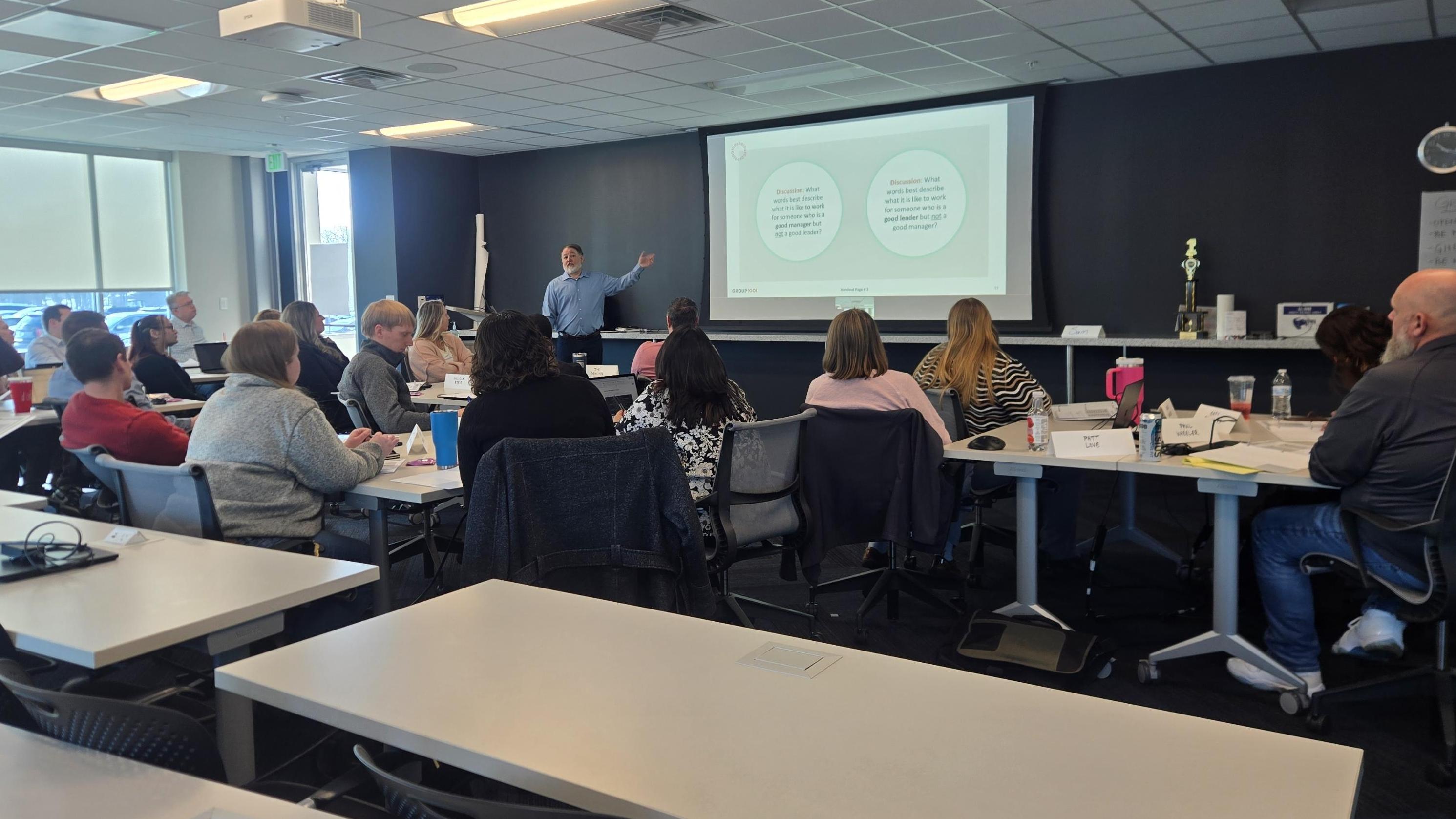
This past May, we closed out the 2026 Front-Line Management Program (FMP) with a celebration of 47 graduates who spent four months sharpening the skills that turn good managers into great leaders.The FMP is a cohort-based development program designed for Group 1001 managers and supervisors, each nominated by their own leaders. It's designed to equip our front-line leaders with the foundational skills to lead others effectively, build high-performing teams, and elevate engagement across the o...
Jun 29, 2026
Corporate
Work Life
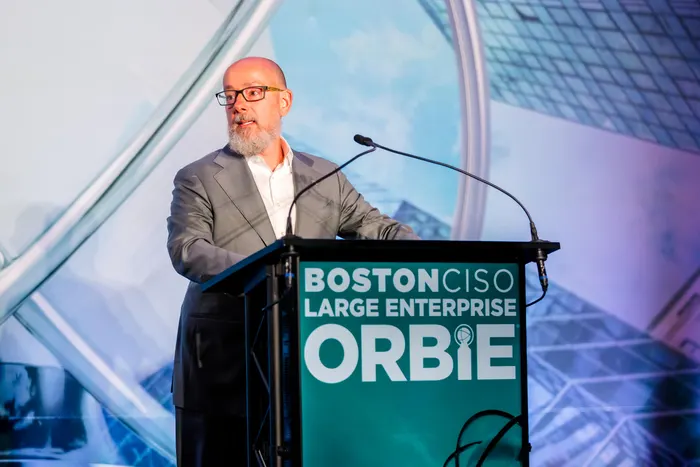
Chief Information Security Officer Chris Kennedy has been named a winner of the 2026 BostonCISO ORBIE Awards in the Large Enterprise category. The ORBIE Awards honor technology executives who have demonstrated exceptional leadership, innovation, and impact.The recognition reflects Kennedy's leadership and vision in transforming the Group 1001 cybersecurity program, building on his 27-year career that began in the United States Marine Corps and has since included senior security leadership ro...
Jun 11, 2026
Work Life
You've made it through week one – now make the rest count.By Emma See, Senior Talent Acquisition PartnerBy now, you’ve learned your way around and met the people you'll be working with this summer. The first-week nerves have faded, and you're starting to feel more comfortable in your role. This is when the real opportunity begins.The interns who turn a summer role into a launchpad aren't necessarily the ones with the most polished resumes – they're the ones who make every wee...
May 12, 2026
Work Life
You’ve landed the internship - now what? By Emma See, Senior Talent Acquisition PartnerAfter rounds of applications, interviews, and anticipation, you've officially landed an internship. But as the start date approaches, questions set in: What should I wear? What if I don’t connect with anyone? How do I make a great first impression?Here is some advice on navigating your first week like a pro and setting the tone for a standout internship experience.Before Day One: Preparation is Your Superp...